In many rural American towns, church buildings are among the most recognizable and historically significant structures in the community. Whether built a century ago or more recently, they often reflect the values, traditions, and shared experiences of the people who live nearby.
These buildings are more than places of worship they are long-standing symbols of community life.
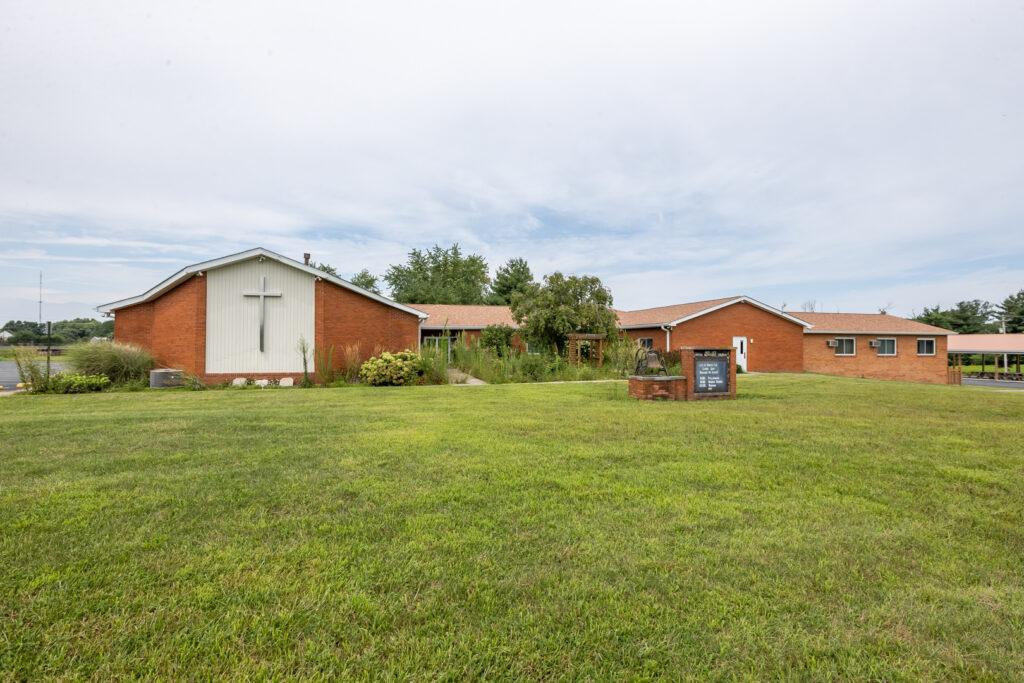
In small towns, churches have traditionally served as central gathering points. They are where families come together for weekly services, weddings, funerals, and seasonal celebrations. Beyond religious functions, many churches have also hosted community meals, local meetings, youth programs, and charitable activities. In places where public spaces may be limited, church buildings often fill an important gap by providing room for connection and shared experience.
Over time, however, rural communities across the United States have experienced demographic and cultural shifts. Population changes, aging congregations, and evolving patterns of attendance have led many churches to rethink how their spaces are used. In some cases, congregations consolidate or relocate, leaving behind buildings that remain structurally sound but no longer serve their original purpose as actively.
When this happens, it opens an important conversation about the future of these properties. While the function of the building may change, its value does not disappear. Church buildings are often well-constructed, centrally located, and designed with open interior layouts that make them highly adaptable. This flexibility allows them to be repurposed in ways that continue to benefit the community.
Across rural America, former church buildings have found new life in many forms. Some become community centers, hosting events and local gatherings. Others are transformed into educational spaces, small businesses, studios, or nonprofit hubs. In many cases, the architectural character of the building is preserved, maintaining a sense of continuity with the town’s history while supporting new uses.
There is also a deeper cultural value tied to these structures. Church buildings often hold decades of shared memories—marking milestones in people’s lives and reflecting the evolving story of the community itself. Even as usage changes, the presence of the building continues to carry meaning for residents who have long associated it with important moments and traditions.
At the same time, these buildings can play a practical role in local revitalization efforts. In smaller towns where new construction may be limited, repurposing an existing structure can be more efficient and sustainable. It also allows communities to retain familiar landmarks while adapting to modern needs. This balance between preservation and progress is often key to maintaining a town’s character.
The future of rural church buildings is not defined solely by their original purpose, but by their ability to adapt and remain useful. In many small towns, preserving and reimagining these spaces can support both heritage and progress at the same time. Whether they continue as places of gathering or transition into new roles, their impact remains rooted in community connection.
Ultimately, church buildings in rural towns represent more than architecture. They represent continuity, belonging, and the ongoing story of the communities they serve.
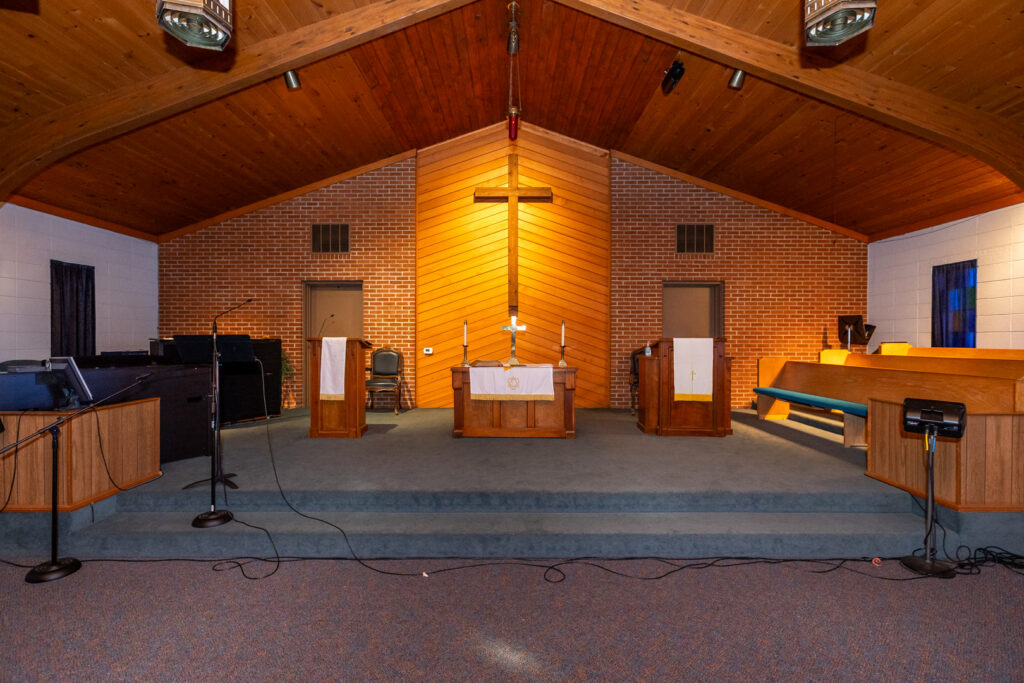
Across rural America, former church buildings have found new life in many forms. Some become community centers, hosting events and local gatherings. Others are transformed into educational spaces, small businesses, studios, or nonprofit hubs. In many cases, the architectural character of the building is preserved, maintaining a sense of continuity with the town’s history while supporting new uses.
There is also a deeper cultural value tied to these structures. Church buildings often hold decades of shared memories—marking milestones in people’s lives and reflecting the evolving story of the community itself. Even as usage changes, the presence of the building continues to carry meaning for residents who have long associated it with important moments and traditions.
The future of rural church buildings is not defined solely by their original purpose, but by their ability to adapt and remain useful. In many small towns, preserving and reimagining these spaces can support both heritage and progress at the same time. Whether they continue as places of gathering or transition into new roles, their impact remains rooted in community connection.
Ultimately, church buildings in rural towns represent more than architecture. They represent continuity, belonging, and the ongoing story of the communities they serve.